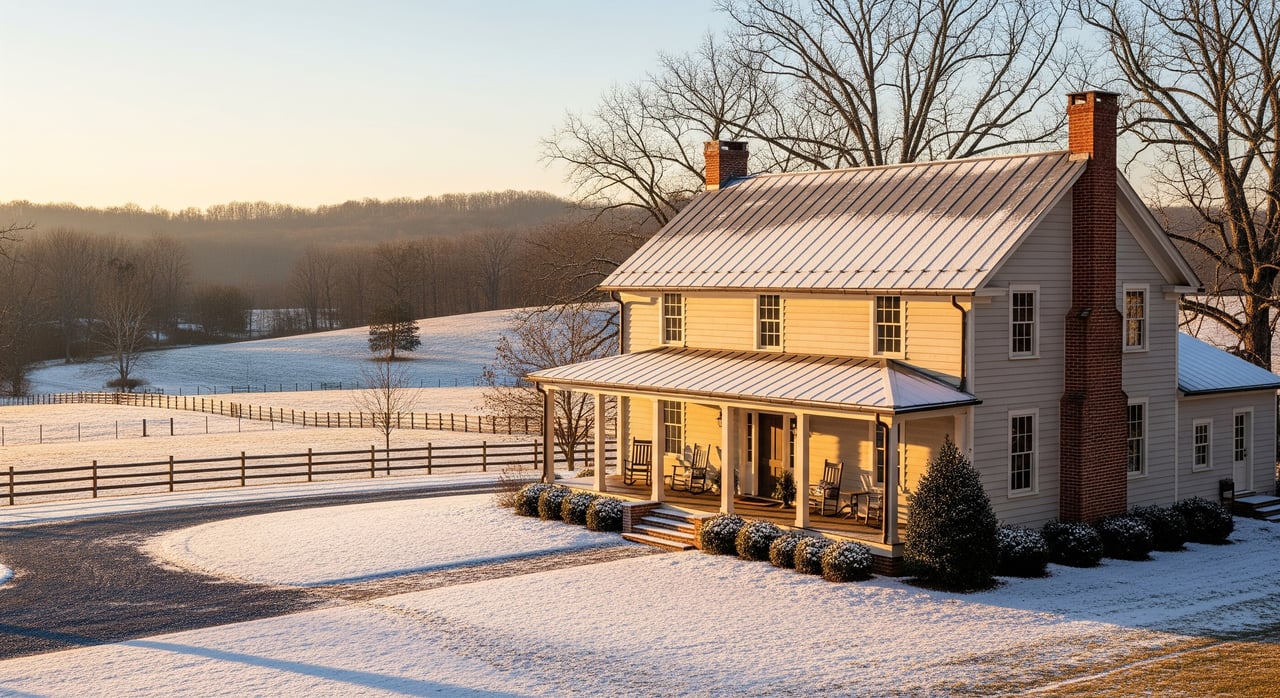
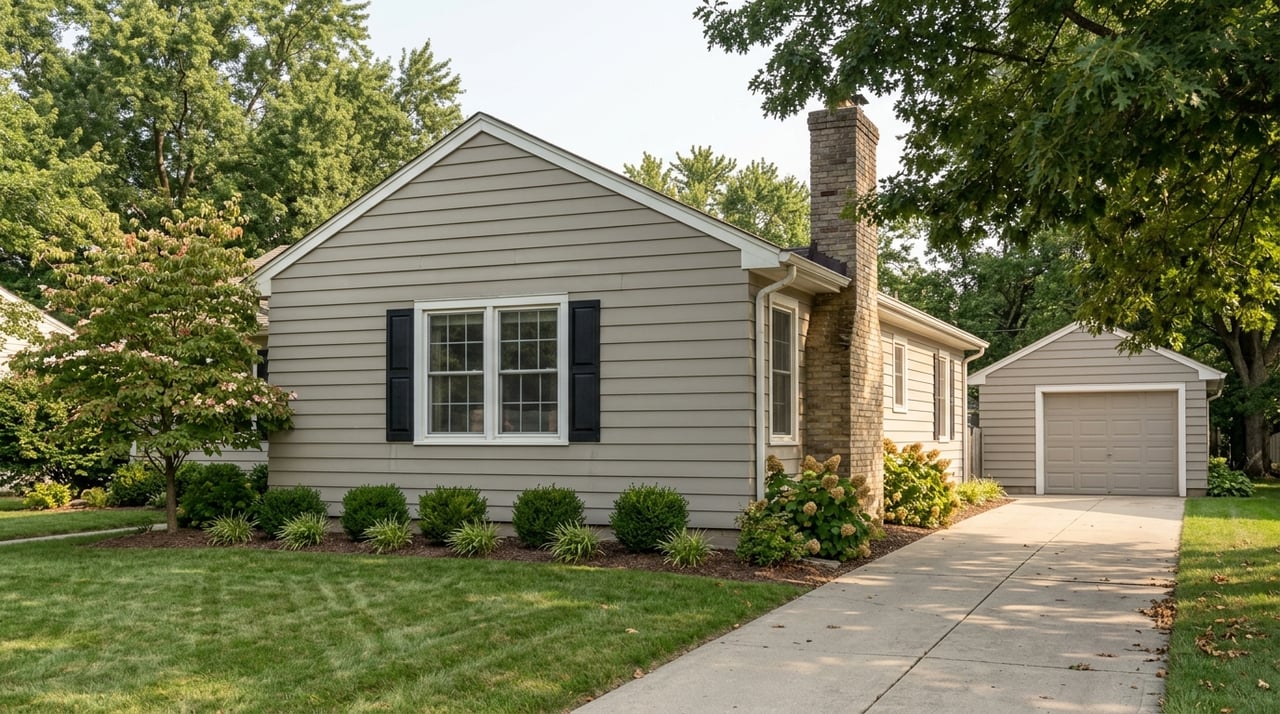
Thinking about buying a home in Snow Camp and hoping to keep cash in your pocket? USDA loans can open the door with zero down if the home and your household meet the program rules. Snow Camp’s rural setting makes many addresses strong candidates, but there are a few extra steps to understand. In this guide, you will learn how USDA loans work, how to check eligibility by address and income, what appraisers look for in rural properties, and how the process plays out locally. Let’s dive in.
USDA loan basics
USDA Single-Family Housing Guaranteed Loans help buyers purchase owner-occupied homes in eligible rural areas through private lenders. The program is designed for low to moderate income households and is backed by USDA Rural Development, which reduces lender risk and helps you access competitive terms. You can review the program overview on the USDA site under the Single Family Housing Guaranteed Loan Program.
The standout feature is 100% financing when you meet the guidelines. That means no required down payment for the purchase price. Interest rates and underwriting come from your lender, while USDA provides the loan guarantee.
Who qualifies in Snow Camp
Borrower basics
To qualify, you must plan to live in the home as your primary residence and meet citizenship or eligible noncitizen status. Lenders review your credit, income, and debts using USDA’s Guaranteed Underwriting System (GUS) or manual underwriting. Many lenders look for a mid-600s credit score for an easier approval path, but approvals can vary based on your full financial picture.
Income limits
USDA guaranteed loans have household income limits that vary by county and household size. Because limits change, do not rely on a number you find online from past years. Use the official USDA income limits lookup tool or ask a USDA-experienced lender to confirm your household income and allowable deductions.
Property eligibility
USDA eligibility is address-specific. Many parts of Snow Camp and the surrounding countryside qualify, but you must verify every property using the USDA property eligibility map. Boundaries can change over time, so run the check again once you are under contract.
Zero down and costs
“Zero down” refers to the down payment only. You still need to budget for closing costs and prepaid items like taxes and insurance unless they are covered by negotiated seller concessions or lender credits.
- Upfront guarantee fee: USDA charges a guarantee fee on guaranteed loans. Lenders often finance this into the loan amount or it can be paid at closing. Ask your lender how they will handle it.
- Annual fee: USDA also charges an annual fee that is added to your monthly mortgage payment. It functions like mortgage insurance and changes with your loan balance over time.
- Closing costs and escrows: Expect standard lender fees, title charges, and escrow setup for taxes and insurance. Some lenders allow seller-paid costs within program limits.
Practical tip: Request a Loan Estimate early. Review how the upfront guarantee fee and annual fee affect your total monthly payment and APR, and whether the upfront fee will be financed or paid in cash.
Appraisal and condition rules
USDA requires homes to be adequate, safe, and sanitary. The appraiser checks value plus certain Minimum Property Requirements, often called MPRs. In Snow Camp, rural features like private wells, septic systems, older roofs, and long driveways can draw extra attention during the appraisal.
Wells and septic
- Wells must provide safe, potable water with adequate supply. Lenders may ask for water quality testing and basic well data.
- Septic systems must function properly and typically need to be permitted. If a system shows signs of failure, repairs or replacement will be required before closing.
Heating, roof, and access
- The home needs a reliable heat source suitable for our climate.
- Roofs must be sound with no active leaks.
- Access roads and driveways should be safe and passable.
- Health and safety issues, such as peeling lead-based paint in older homes or active mold, must be addressed.
Appraisal vs inspection
An appraisal is not a full inspection. It focuses on value and basic livability. In Snow Camp, it is smart to order a general home inspection plus specialist checks that fit the property. For rural homes, that usually includes a well water test, septic evaluation, HVAC check, termite report, and any other tests your inspector recommends.
Repairs and timelines
If the appraiser or inspectors flag issues that affect USDA’s MPRs, the lender will require repairs before closing unless an approved repair escrow is allowed. Budget extra time for contractor quotes, work completion, and appraiser reinspection. This can add 1 to 3 weeks or more in some cases.
Step-by-step process
- Step 0 — Preliminary research: Check the property address on the USDA map and confirm you are within county income limits for your household size.
- Step 1 — Prequalification: Speak with a USDA-experienced lender to confirm your loan amount, credit, and likely approval path. Expect 1 to 3 days for a basic prequal.
- Step 2 — Offer and contract: Include financing and property eligibility contingencies that protect your timeline and earnest money. Allow time for appraisal and potential repairs.
- Step 3 — Full application: Once under contract, complete your loan application and submit income and identity documents. The lender orders eligibility checks. Plan on 3 to 7 days.
- Step 4 — Inspections and appraisal: Book a general inspection and any needed well, septic, pest, and HVAC checks. The lender orders the appraisal. This phase often runs 7 to 14 business days after orders are placed.
- Step 5 — Repairs and rechecks: If repairs are required, your agent coordinates estimates, negotiation, and lender-approved repair plans or escrows. Allow 1 to 3 weeks depending on scope.
- Step 6 — Underwriting and clear-to-close: Lender completes underwriting, including USDA guarantee steps. Typical timelines are 5 to 15 business days and can overlap with repairs.
- Step 7 — Closing: Sign final documents and fund. The guarantee fee and closing costs are settled at the table. Closing takes 1 day.
Typical total time: 30 to 45 days from contract to closing is common. If the appraisal reveals repairs or if well or septic work is needed, plan for 45 to 60 days.
How your agent helps
A USDA purchase has more moving parts than a standard loan. Your agent’s coordination can save you time and stress, especially with rural properties. Here is what a knowledgeable, hands-on agent does:
- Lender match: Connects you with USDA-savvy lenders who work quickly with GUS findings and understand rural issues.
- Address checks: Verifies property eligibility early and keeps an eye on any boundary changes.
- Contract terms: Builds in the right contingencies and realistic deadlines for appraisal, inspections, and any MPR repairs.
- Inspection scheduling: Gets general and specialist inspections lined up early so repair talks start sooner.
- Repair management: When the appraiser flags MPR items, gathers contractor bids, negotiates repairs or escrows, and coordinates access for reinspection.
- Document flow: Collects septic permits, any well records, HOA documents if applicable, and tax records for the lender.
- Timeline control: Tracks milestones, communicates daily or weekly updates, and keeps title, lender, and contractors in sync through closing.
In Snow Camp, this coordination is even more valuable because many homes use private well and septic, and rural appraisals can take longer during peak seasons. With a licensed general contractor background and prior mortgage lending experience, Joshua can explain repair scopes in plain terms, estimate typical fix costs, and anticipate lender requirements before they become delays.
Quick buyer checklist
- Confirm property eligibility with the USDA address tool.
- Get prequalified with a lender who regularly closes USDA loans.
- Verify your household income against USDA county limits.
- Use USDA-friendly contingencies and allow time for appraisal and repairs.
- Order a general home inspection plus well water, septic, HVAC, and termite checks.
- Plan for appraisal-required repairs and possible reinspection time.
- Gather septic permits, well data if available, and any HOA docs.
- Ask your lender for a Loan Estimate that shows the upfront guarantee fee, whether it will be financed, and the monthly impact of the annual fee.
Ready to explore zero-down options in Snow Camp with a clear, step-by-step plan? Reach out to Joshua Whitley for a quick conversation about your goals, the USDA map for your target addresses, and a locally informed plan to get you to the closing table.
FAQs
Is Snow Camp, NC likely USDA-eligible?
- Many rural addresses in and around Snow Camp may qualify, but eligibility is address-specific, so always verify on the USDA property eligibility map.
Do USDA loans really require no down payment?
- USDA guaranteed loans allow up to 100% financing for eligible buyers, though you still need to budget for closing costs, prepaid items, and any required repairs.
How do income limits work for USDA loans?
What should I expect with wells and septic in Snow Camp?
- Lenders typically require safe, adequate water and a functioning septic system; expect water testing and a septic evaluation, and plan to complete any required repairs before closing.
How strict are USDA credit and DTI rules?
- Lenders consider your full profile using USDA’s underwriting; many prefer mid-600s credit scores for smoother approval, with flexibility based on compensating factors and GUS findings.
How long do USDA closings take in Snow Camp?
- Most close in 30 to 45 days, but appraiser-flagged repairs or well and septic work can extend timelines to 45 to 60 days or longer.