May 14, 2026
Looking for a place that feels more rooted than a typical subdivision? Haw River offers a different kind of small-town lifestyle, one shaped by textile history, river access, and a town center that still carries its mill-village character. If you are considering a move in Alamance County, this guide will help you understand what daily life in Haw River can actually feel like and what makes it stand out. Let’s dive in.
Haw River has a strong historic identity that still shows up in the way the town looks and feels today. The community traces its roots to an early homestead in 1745, a gristmill in 1748, and later the Granite Mill, which began in 1844. The town itself was chartered on June 1, 1973, but its physical character was shaped much earlier by the river, rail access, and textile production.
That history matters if you are thinking about living here. Haw River did not grow around modern subdivision patterns. Instead, it developed around mills, worker housing, and a compact downtown area, which gives the town a more layered and established feel.
One of the biggest lifestyle differences in Haw River is its mill-village pattern. Historic records describe modest homes built in the early 20th century for mill employees on nearby streets around the Granite Mill complex. That creates a setting that often feels older, closer-knit, and more connected to the original town center.
Downtown Haw River is generally centered on East Main Street near the John Robert Watkins Memorial Bridge. The area includes historic landmarks such as Granite Mill, the Charles T. Holt House, and Cora and Holt Mills, also known as Tabardrey Mill. Alamance County has more than 60 National Register historic resources, and Haw River has four listed historic properties.
The town’s long-range planning also shows that this identity is not being ignored. Haw River’s 2040 plan calls for preserving downtown’s small-town appeal while supporting compatible business growth and adaptive reuse of historic structures. That means the town is aiming to build on its existing character instead of replacing it.
Haw River is not frozen in the past. One of the clearest signs of change is the continued reuse of former industrial space, especially at the original Granite Mill site. Lofts on Haw River has brought modern one-, two-, and three-bedroom loft-style residences to the historic mill property, including direct river views.
This kind of reuse can change the rhythm of daily life in town. According to the town plan, the Granite Mill apartment opening could help support more nearby commerce, entertainment, and civic events. In practical terms, that suggests a more active town center that blends historic character with newer residential use.
The Granite Mill site itself is substantial. Historic records describe roughly 31 acres with 23 interconnected and freestanding buildings, along with the surviving stone dam, floodgates, and wheel pit that once powered the mill. For residents, that scale adds to Haw River’s sense of place and makes the historic core feel distinct from newer communities nearby.
If you want easy access to the outdoors, Haw River has a lot going for it. The Haw River Trail is a 70-mile multi-use trail corridor stretching from Haw River State Park to Jordan Lake State Recreation Area. In Alamance County alone, more than 20 miles of land trail are open to the public, along with about 40 miles of paddle trail and 14 paddle accesses.
That larger trail network is important, but so are the town’s own recreation spaces. Haw River’s 2040 plan lists Jeffrey H. Earp Municipal Park, Haw River Municipal Civic Center, and Red Slide Park among its public facilities. Red Slide Park is especially notable because it offers a river launch for kayakers and tubers.
That detail says a lot about local lifestyle. In Haw River, river access is not just something you drive to once in a while. It is part of the town’s everyday identity and one reason people are drawn to the area.
Haw River State Park adds even more variety nearby. The park offers trails and a boardwalk through wetlands and floodplain swamp areas, along with day-use hiking, fishing, picnicking, and disc golf at the Summit access. Day use does not require a fee.
For many buyers, that means you can build regular outdoor time into your week without a big production. Whether you enjoy paddling, walking trails, birding, or simply having green space nearby, Haw River benefits from being surrounded by a broader river-and-trail system.
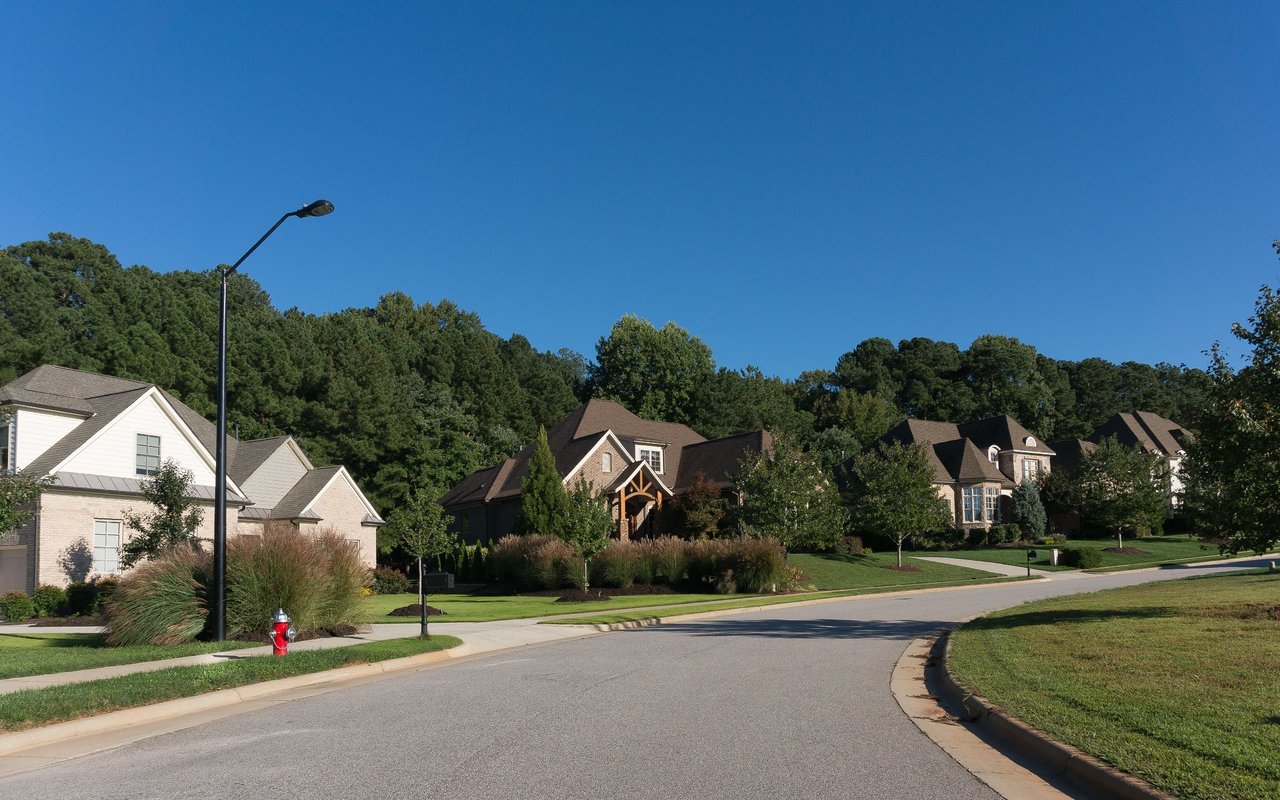
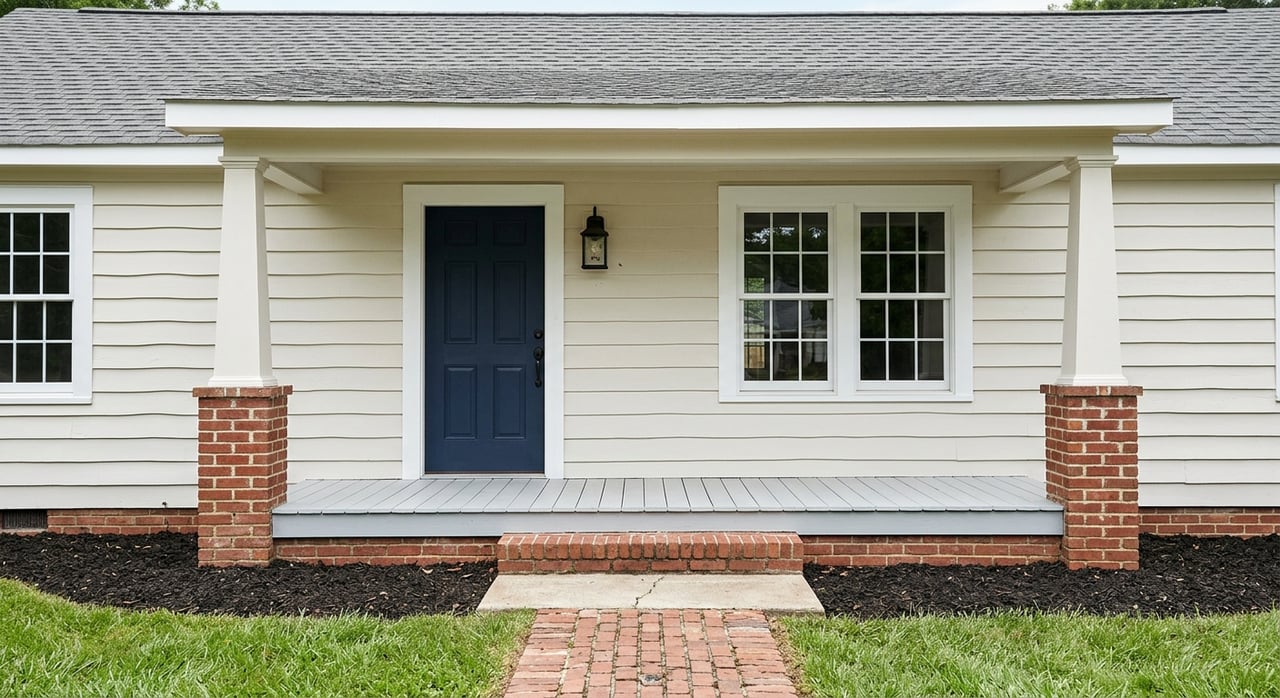
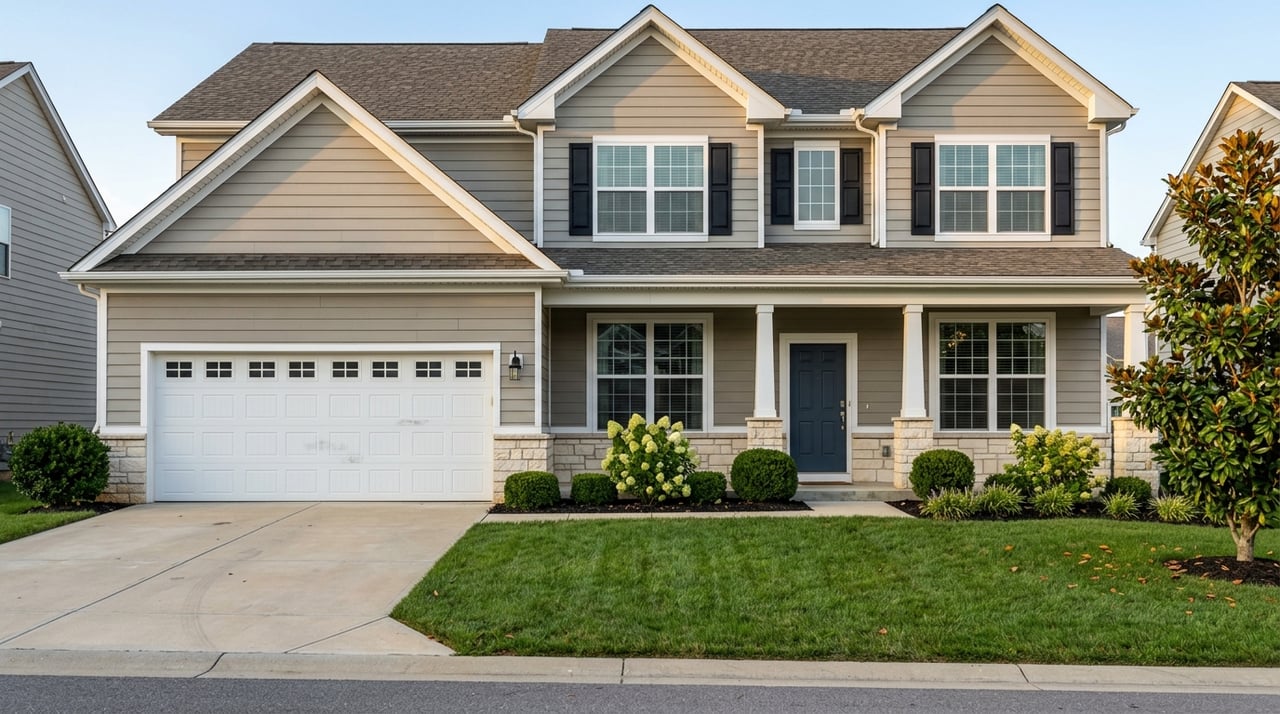
Haw River’s housing stock is mixed, which is part of its appeal. According to the town plan’s ACS snapshot, 77.6% of housing units were single-family, 17.9% were mobile homes, and 4.4% were multifamily. That tells you right away this is not a one-style market.
The age of the housing stock also adds to that variety. The same snapshot reports that 17.4% of occupied housing was built in 1939 or earlier, 18.8% in the 1950s, and 12.2% since 2000. In real-life terms, you may find older mill-era homes, mid-century houses, and newer or fully renewed housing in the same town.
That can be a real advantage if you want options. Some buyers are drawn to historic character, while others want something more updated or lower-maintenance. Haw River offers a mix that can appeal to both.
A varied housing stock usually means you should look closely at condition, updates, and maintenance history. In a town with older homes and reused historic properties, two houses at a similar price point can offer very different ownership experiences. Paying attention to age, layout, renovation quality, and likely future upkeep can help you choose a home that fits your goals.
If you are comparing Haw River to newer areas, this is often the tradeoff. You may get more character, more history, and a more distinct setting, but you also want clear guidance on the condition and practical realities of the property you are buying.
Location is another part of Haw River’s appeal. The town sits in central Alamance County between Burlington and Mebane, with Graham along the southwest side of town. I-40 and I-85 are about half a mile south of the southern town limits.
That setup gives Haw River a useful balance. You can enjoy a smaller-scale setting while still having practical access to larger nearby hubs and the interstate corridor. For many buyers, that means you do not have to choose between a quiet home base and everyday convenience.
Haw River covers about 3 square miles and sits within the Burlington metropolitan area and the broader Greensboro-Winston-Salem-High Point combined statistical area. Even so, its local identity remains village-sized and place-specific, which is part of what attracts people who want something more distinctive than a standard suburban pattern.
For buyers in Alamance County, Haw River often stands out for a few simple reasons:
That combination can be especially appealing if you want a home with a stronger sense of place. Haw River offers everyday livability, but it does so with more texture and history than many nearby options.
If you want uniform streets, newer subdivisions, and a more predictable housing pattern, Haw River may feel different from what you are used to. But if you like the idea of a town shaped by history, outdoor access, and a compact local core, it has a lot to offer. Its appeal comes from character, connectivity, and the way old and new coexist.
When you are buying in a place like Haw River, local insight matters. Understanding which homes reflect mill-village roots, which properties have seen major updates, and which areas offer the best fit for your lifestyle can make your search much more focused.
If you are thinking about buying or selling in Haw River, Joshua Whitley can help you make sense of the local market with practical guidance, clear communication, and hands-on insight from start to finish.
Partner with Alamance County Realty for expert guidance, innovative marketing, and proven results. From first showing to closing, we’re committed to making your real estate journey smooth, successful, and stress-free.