April 2, 2026
Wondering whether you should repair, refresh, or simply price your older Graham home as-is? That question matters more than ever when you want to sell without wasting money on updates that buyers may not value. If your home has character, age, and a few worn spots, the goal is not to make it perfect. It is to focus on the repairs that protect your price, reduce surprises, and help buyers feel confident. Let’s dive in.
Graham has a long-established housing stock, and that shows in many of the homes sellers bring to market. The town was incorporated in 1851, much of downtown sits in a historic district, and the city’s population estimate reached 19,311 in 2024, according to the City of Graham.
That older-home context matters when you sell. In a market Redfin describes as somewhat competitive, with a February 2026 median sale price of $314,000, about 85 days on market, and a 98.3% sale-to-list ratio, broad remodels may not be the smartest move. In many cases, visible repairs and confidence-building fixes do more for your sale than a large, expensive renovation.
If you own an older home in Graham, your first priority should be issues that raise red flags during showings, inspections, or financing review. These are the items most likely to slow your sale or lead to stronger buyer demands.
North Carolina’s residential disclosure law covers known conditions involving the roof, chimneys, floors, foundation, basement, plumbing, electrical, heating and cooling systems, and environmental hazards such as lead-based paint and asbestos under Chapter 47E. If you know a major issue exists, it needs to be part of your planning before the home hits the market.
A good rule is simple: if the issue affects safety, water intrusion, or the home’s ability to pass inspection, move it to the top of your list. These repairs usually matter far more than stylish upgrades.
Focus first on:
These are the kinds of issues buyers notice quickly, inspectors flag clearly, and lenders or insurers may take seriously.
You do not always need to fix every major item before listing. But you should know what the repair would cost.
The National Association of REALTORS® notes in its seller prep guidance that if a roof, HVAC system, or other significant item needs work, sellers should at least estimate the cost because buyers will use that number in negotiations. That makes repair pricing part of your strategy, even when you plan to sell without completing the work.
A pre-sale inspection is optional, but it can be especially useful for older homes. It can uncover issues with the structure, exterior, roof, plumbing, electrical systems, HVAC, ventilation, insulation, fireplaces, and potential concerns like mold, radon, lead paint, or asbestos.
For a Graham seller, this can be a smart way to replace guesswork with facts. Instead of reacting to a buyer’s inspection under pressure, you can decide ahead of time what to repair, what to disclose, and what to price into the deal.
A pre-sale inspection may be worth strong consideration if:
For many older sellers, this step creates a clearer plan and a more confident listing process.
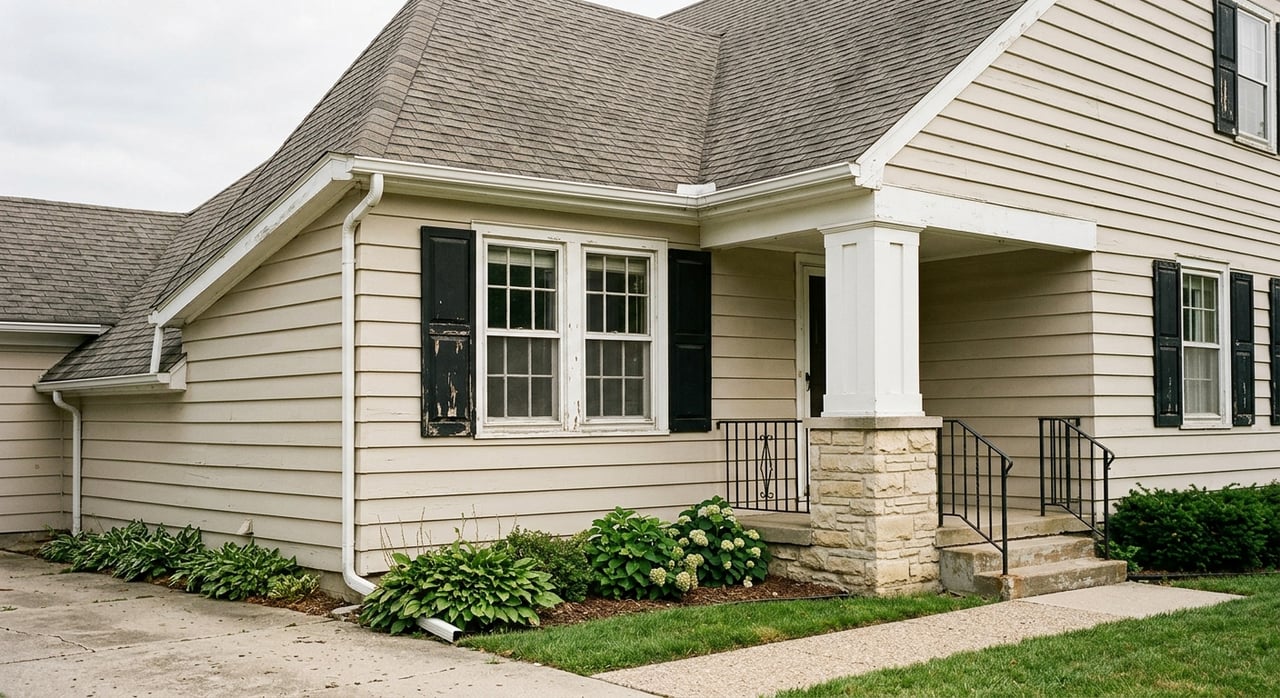
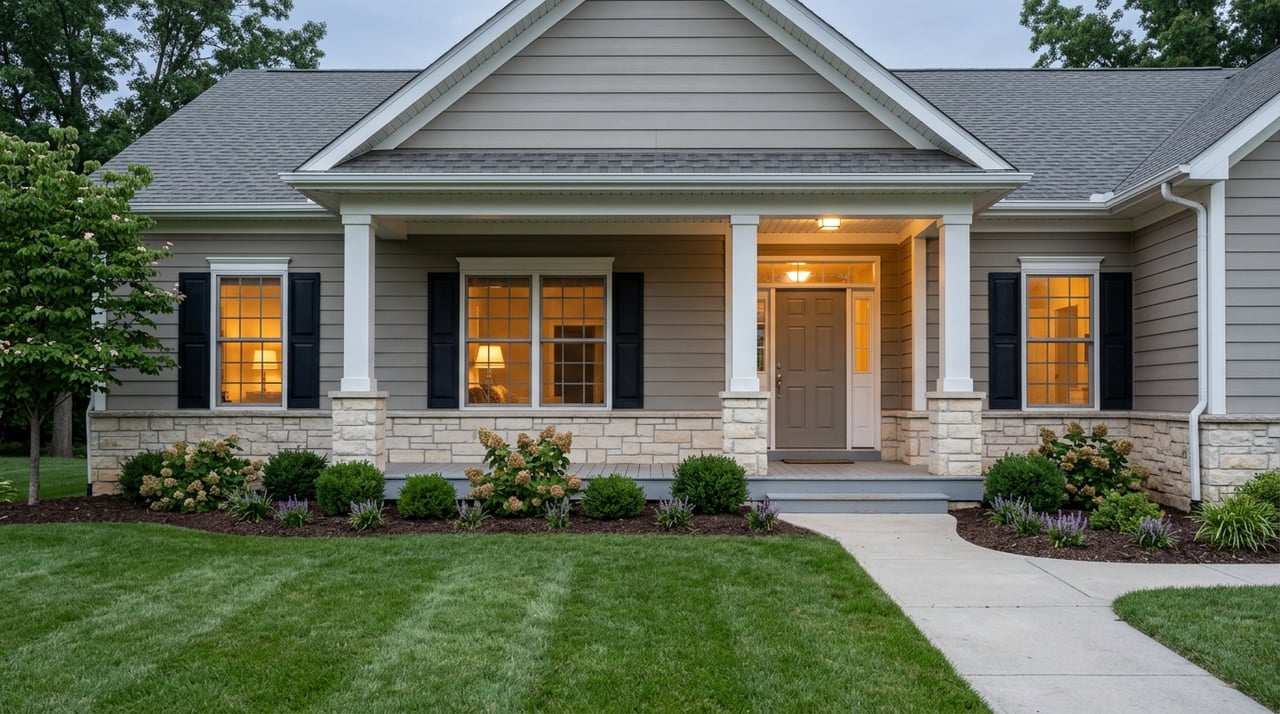
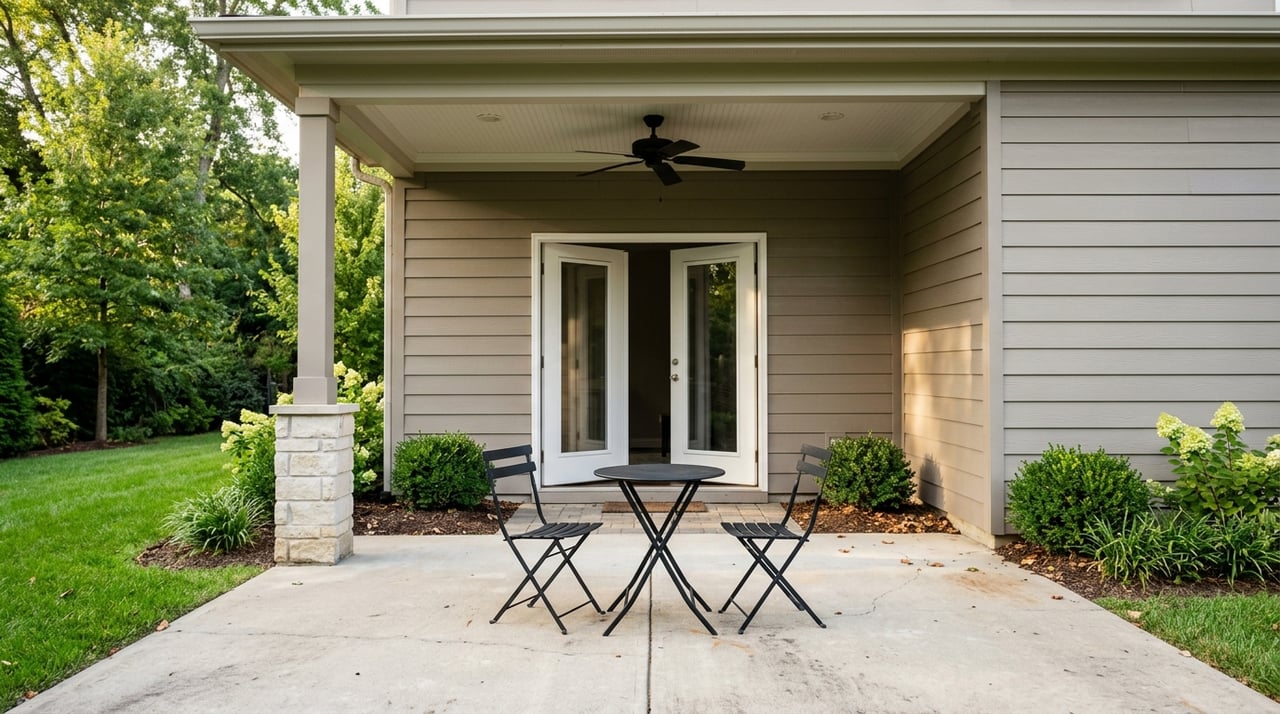
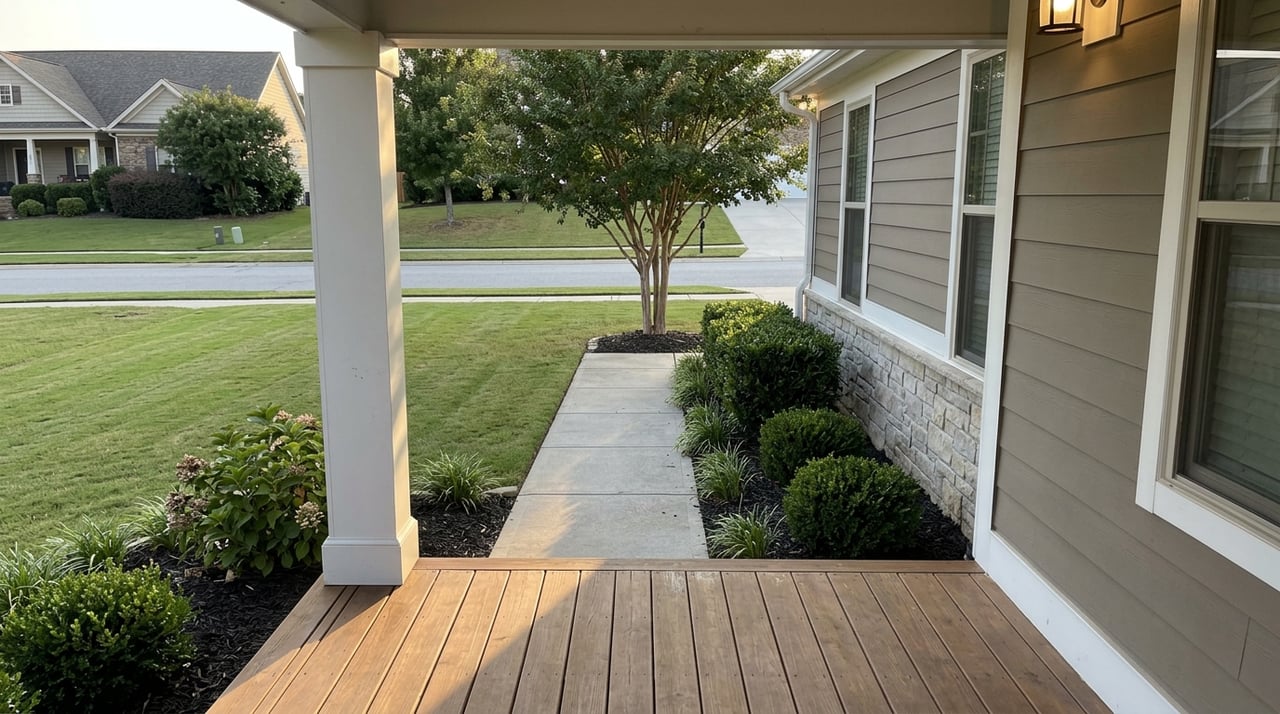
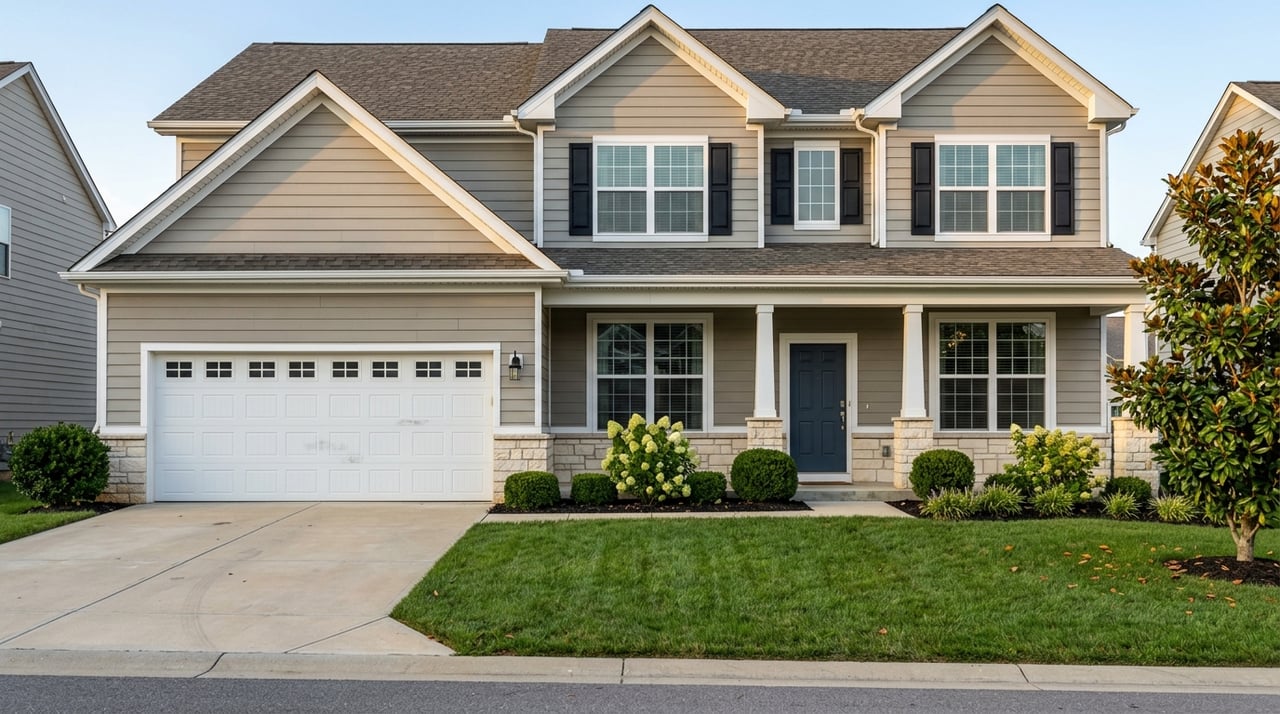
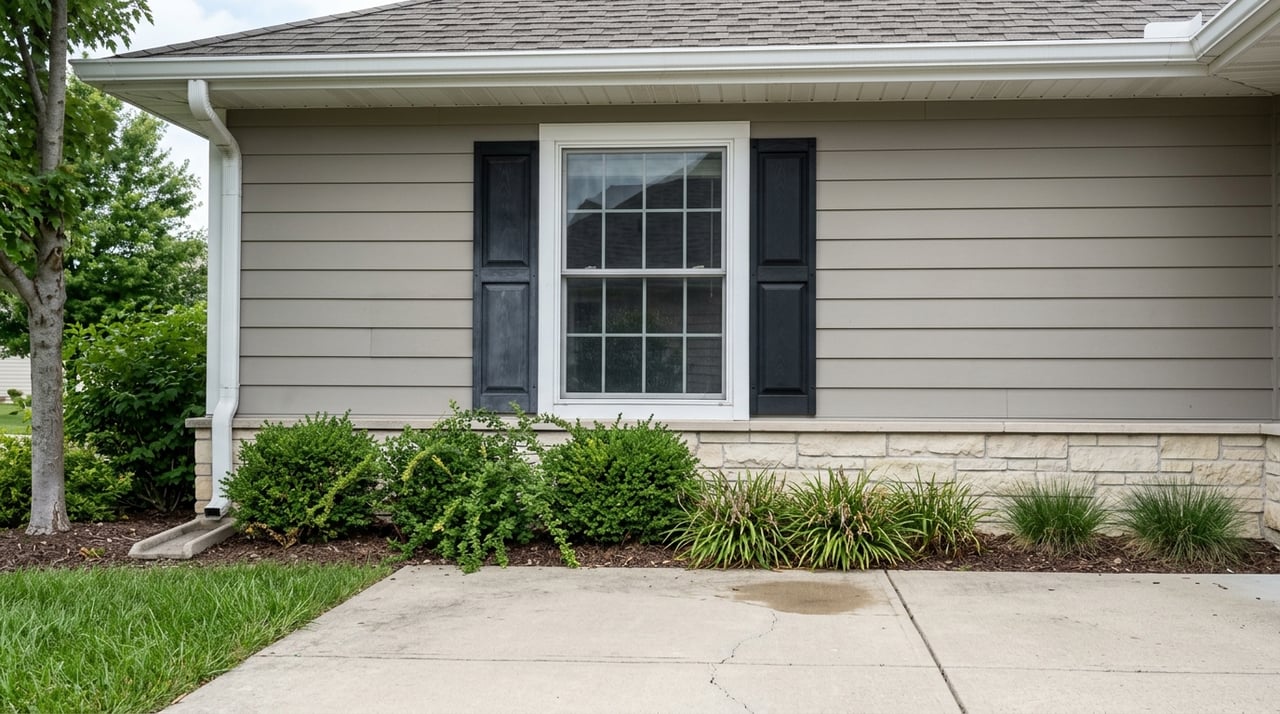
If your major systems are in decent shape, the next best use of your budget is often the exterior. Buyers form opinions quickly, and older homes benefit when the outside feels cared for and solid.
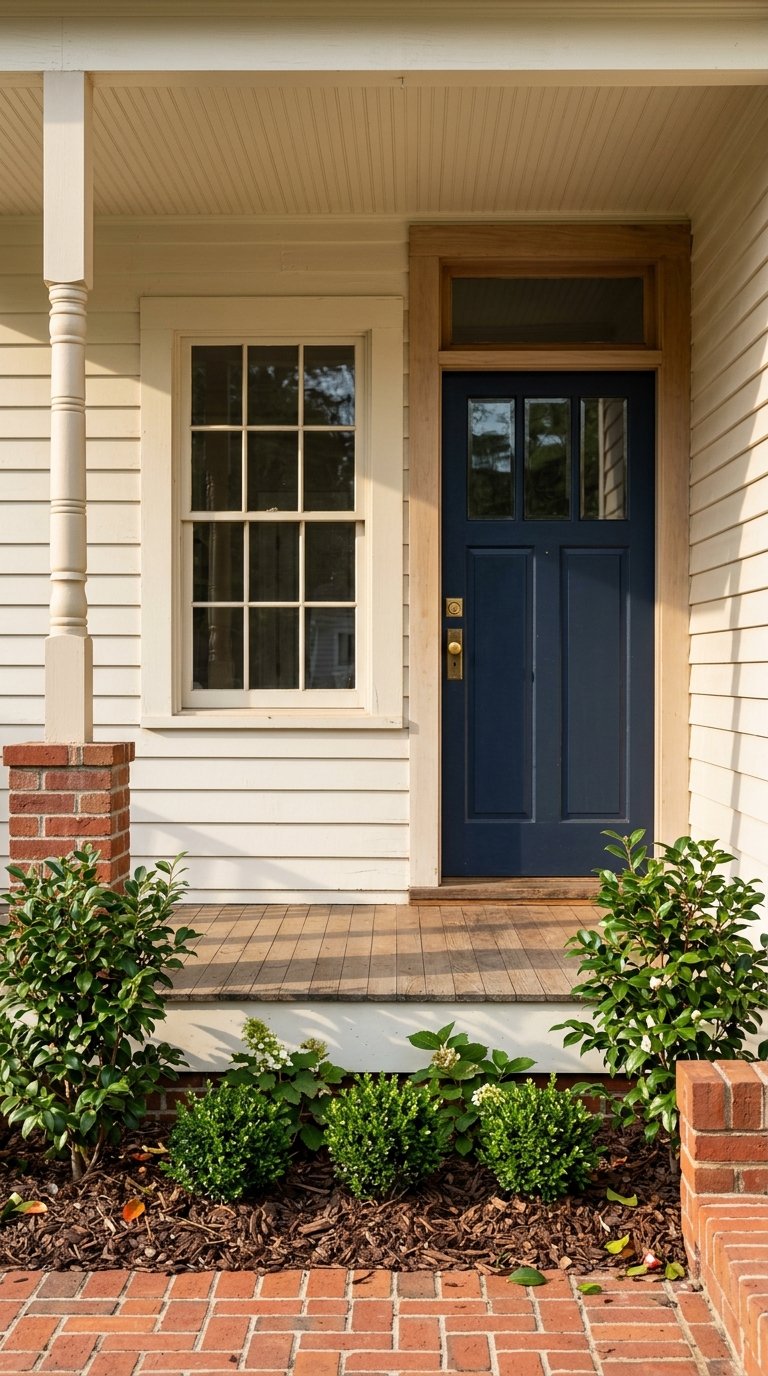
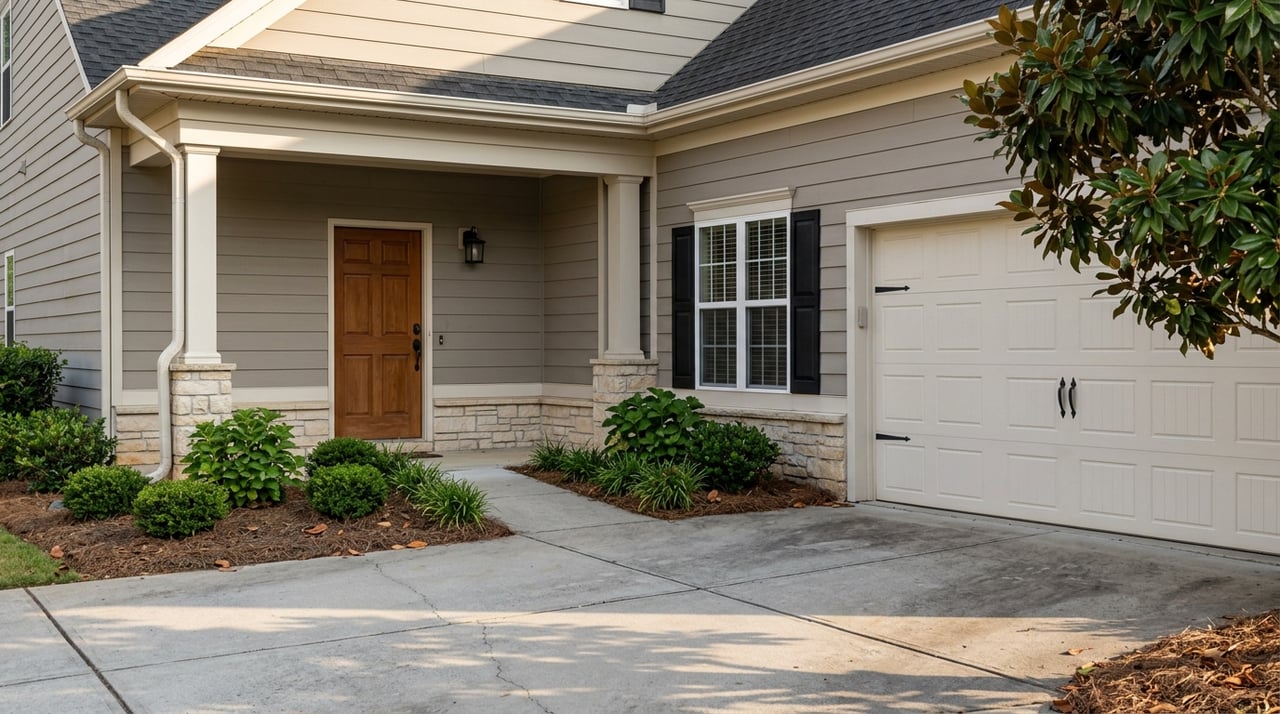
According to the 2024 Cost vs. Value report from Zonda, exterior replacement projects continue to make the most sense for resale. The report found very strong resale returns for garage door replacement, steel entry door replacement, manufactured stone veneer, and siding replacement.
For many Graham sellers, these updates are more practical than a full remodel:
These changes can make your home feel maintained without over-improving it for the market.
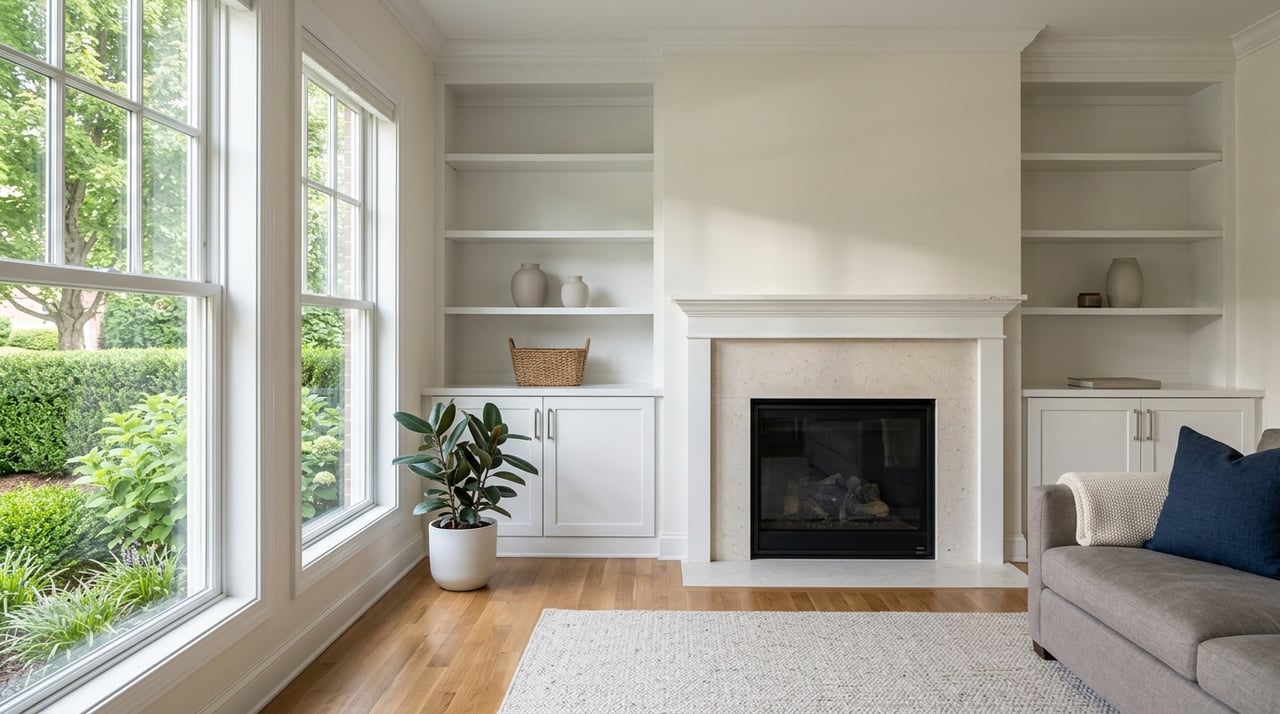
Inside the home, condition usually matters more than trendiness. Buyers are often willing to accept an older style if the home feels clean, functional, and well cared for.
NAR’s remodeling and seller guidance points to simple prep steps that often help before listing. These include painting, cleaning windows, carpets, lighting, and walls, reducing clutter, and improving overall presentation.
Before spending on a major interior renovation, consider lower-cost steps like:
In an older home, these steps can make the property feel lighter, cleaner, and easier for buyers to understand.
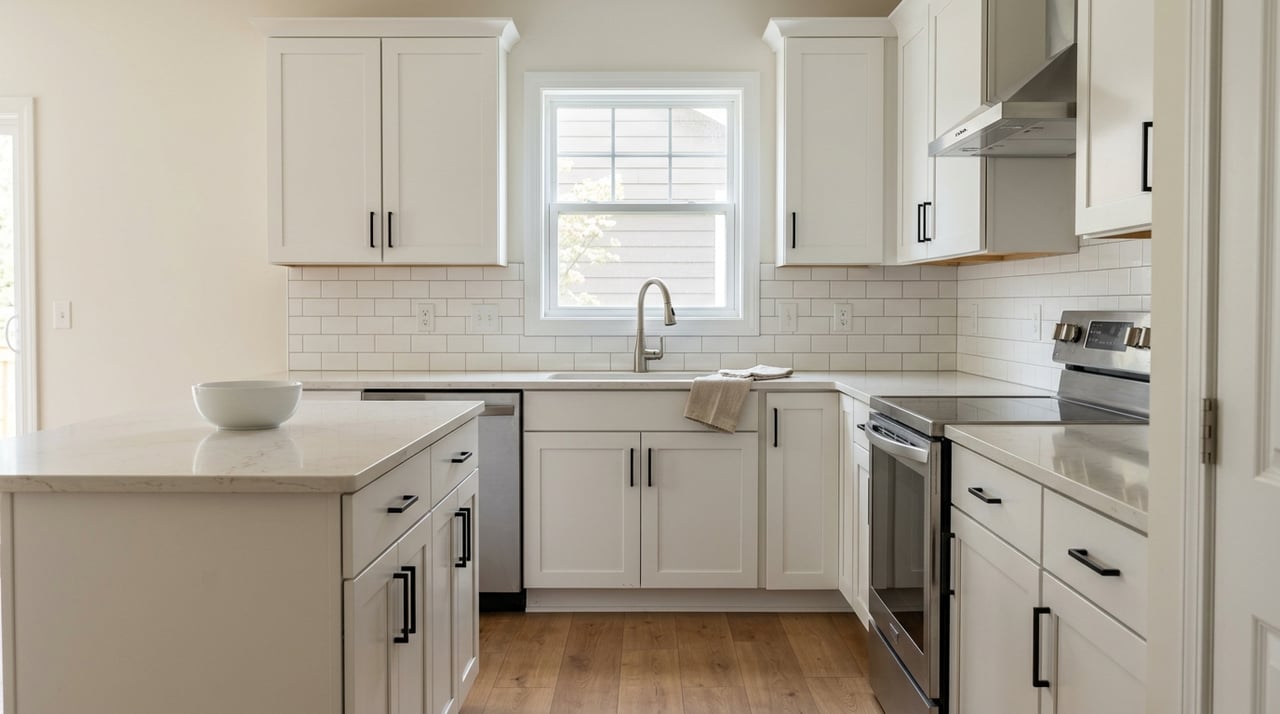
One of the biggest mistakes sellers make is spending heavily on a kitchen or bathroom remodel when the home still has hidden-condition issues or when the finishes are simply dated, not defective.
Zonda reports that exterior projects tend to outperform discretionary interior remodels for resale. NAR’s guidance also notes that sellers are not required to make cosmetic updates. In many older Graham homes, a dated but functional kitchen or bath is better handled through pricing, disclosure, or a buyer credit than a full upscale renovation.
If these features still work, they may not need replacement before listing:
If you choose not to update these items, get realistic cost estimates. Buyers often price them into offers, and you want to be ready with a practical response.
If you are trying to decide where to spend money, this framework can help.
| Category | What belongs here | Typical approach |
|---|---|---|
| Fix now | Safety issues, leaks, structural problems, failed systems, inspection risks | Repair before listing when possible |
| Refresh | Paint, curb appeal, lighting, cleaning, staging, minor exterior improvements | Low-cost prep with visible impact |
| Price or credit | Functional but dated kitchens, baths, flooring, appliances | Estimate costs and plan for negotiation |
| Leave for buyers | Expensive discretionary remodels that do not solve real defects | Usually avoid before listing |
This kind of planning helps you stay focused on what supports your sale instead of what just feels productive.
If your property is located in Graham’s local Courthouse Square Historic District, exterior alterations, construction, or demolition require a Certificate of Appropriateness through the city’s Historic Resources Commission. That can affect your timeline if you are planning visible exterior work before listing.
This does not apply the same way to properties that are only in a National Historic District. The city also notes that deteriorated historic features should be repaired rather than replaced when possible, and new work should match the historic material and design where feasible.
Graham’s Inspections Department issues permits for residential building, plumbing, mechanical, and electrical work. If you are taking on major repairs, make sure you understand permit requirements before the project starts.
That matters for timing, cost, and buyer confidence. Unpermitted work can create questions later, especially in an older home sale.
If your home was built before 1978, federal lead-based paint rules may apply when you sell. The EPA’s lead disclosure requirements require sellers to disclose known lead-based paint information, provide the EPA pamphlet, and allow buyers a 10-day period to conduct a paint inspection or risk assessment.
The EPA also warns that renovation, repair, or painting in a pre-1978 home can create dangerous lead dust. If your project disturbs lead-based paint, regulated work must be completed by lead-safe certified contractors.
For older Graham homes, this is not a detail to brush aside. It should be part of your repair planning from the beginning.
North Carolina requires sellers of most one- to four-unit residential properties to provide the residential property disclosure statement and the mineral and oil and gas rights disclosure statement no later than the time the buyer makes an offer under state disclosure law. If disclosures are not delivered on time, the buyer may have cancellation rights within the statutory window.
The disclosure form covers many of the same items buyers care about most in an older home sale, including roof, structure, plumbing, electrical, heating and cooling, and environmental hazards. Whether you plan to repair, credit, or sell as-is, having a clear strategy around known conditions is essential.
When you sell an older home in Graham, you do not need to renovate every outdated room. What you do need is a plan that separates important defects from cosmetic imperfections.
The strongest pre-listing decisions usually come down to three moves: fix what can hurt value or derail the sale, refresh what buyers see first, and avoid pouring money into upgrades that will not return enough at closing. That is where practical guidance can make a real difference.
If you want help deciding which repairs are worth doing before you list, connect with Joshua Whitley. With local market knowledge and hands-on repair insight, he can help you build a smart selling plan for your Graham home.
Partner with Alamance County Realty for expert guidance, innovative marketing, and proven results. From first showing to closing, we’re committed to making your real estate journey smooth, successful, and stress-free.