July 16, 2026
Thinking about buying a historic home in Graham, NC? It can be an exciting move, but it also comes with questions you do not usually face in a newer house. From local historic district rules to older systems hiding behind charming details, a little upfront homework can save you time, money, and stress. Let’s dive in.
Graham was established as the Alamance County seat in 1849 and incorporated in 1851. That long history still shows up in the layout of downtown and along North Main Street, where many older homes and historic buildings remain.
If you are shopping in Graham, you may see homes and buildings tied to different time periods and architectural styles. In and around the Courthouse Square area, surviving structures range from mid-1800s vernacular and Greek Revival influences to later Italianate, Queen Anne, Romanesque, Neoclassical, Art Deco, and Art Moderne designs.
North Main Street is especially important for buyers looking at older residential property. It is considered Graham’s most intact historic residential area north of downtown, with houses, churches, and other buildings dating from the 1850s to 1949.
One of the most important things to confirm before you buy is whether the property is in a local historic district or only listed in the National Register.
That difference matters because Graham treats them differently. According to the city, local historic designation is an overlay that regulates appearance rather than use, while National Register listing is mainly a formal recognition of historic significance.
In practical terms, a property in Graham’s local historic district may need city approval for certain exterior changes. A property that is only in a National Register district does not automatically face that same local review.
If a home is locally designated, exterior work may require a Certificate of Appropriateness, often called a COA. In Graham, that review applies to exterior alterations, new construction, demolition, and relocation.
Interior work and normal maintenance do not require a COA. That distinction can make a big difference if you are planning repairs or updates right after closing.
National Register listing does not by itself stop you from remodeling. It also does not automatically prevent demolition or trigger local exterior review.
This is why two homes that both look historic can come with very different rules. Before you make an offer, confirm the property’s designation status so you can plan clearly.
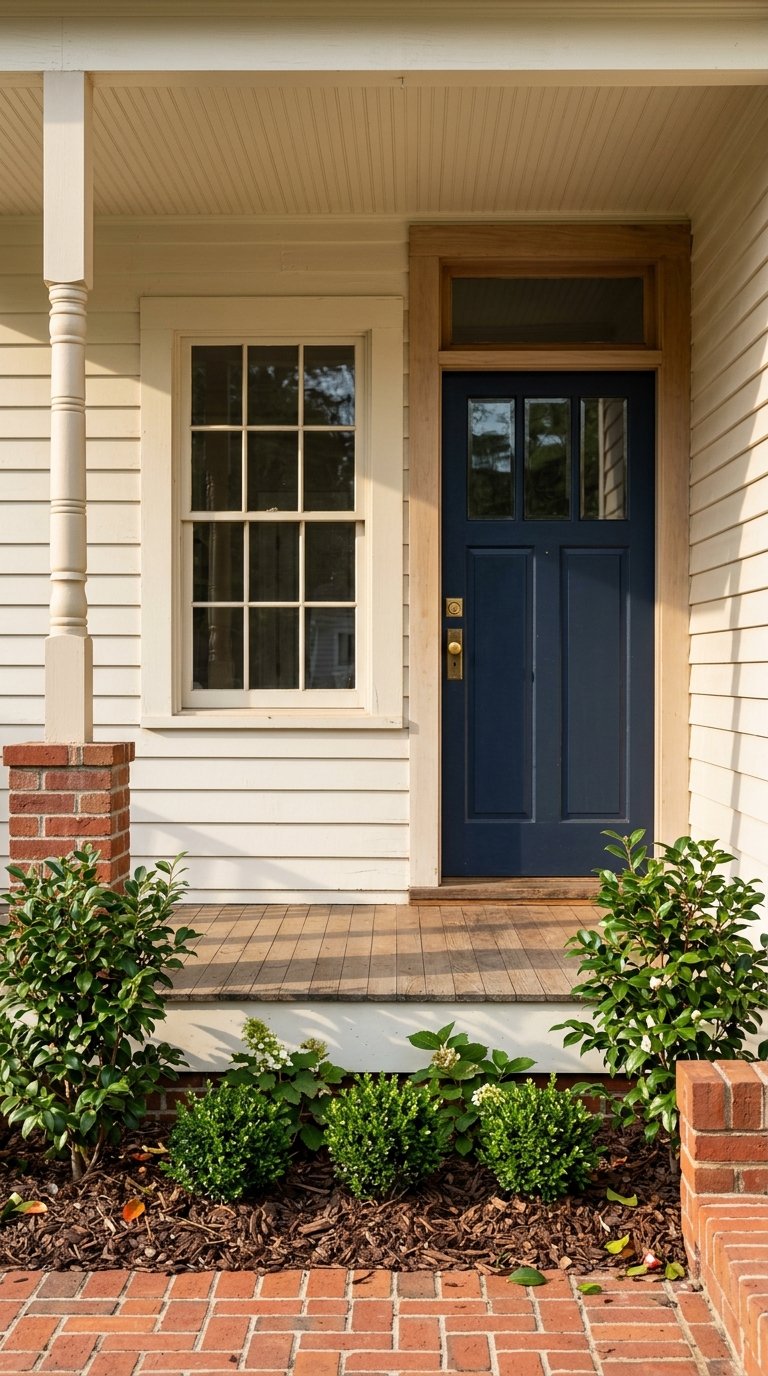
Historic homes in Graham often include details that buyers love, but those same details can also affect repair scope and budget. Common features in older homes and buildings here include original windows and doors, porches with turned or paired posts, interior chimneys, brick foundations, bay windows, bracketed eaves, corbelled cornices, pilasters, and arched windows.
In many cases, these visible exterior elements are part of what gives the home its character. They are also the features Graham’s historic standards tend to treat as especially important.
For buyers, that means charm and responsibility usually come together. If you fall in love with original trim, masonry, or historic window openings, be prepared to think in terms of repair and preservation, not just quick replacement.
A standard showing rarely tells you what you need to know about a historic house. Older homes can have hidden issues in crawlspaces, attics, foundations, and outdated systems that do not show up in listing photos.
NC State Extension recommends a full inspection before purchase. It also suggests that buyers walk the exterior first, then inspect the crawlspace or basement, interior, and attic.
Moisture is one of the biggest issues to watch in an older North Carolina home. Pay close attention to lot drainage, gutters, downspouts, crawlspace dryness, and attic moisture or ventilation.
Water problems can lead to much bigger repairs over time. They can also create conditions that support insect activity and wood damage.
Historic homes deserve a careful look at the foundation, roof, and overall structure. Watch for cracks, sagging, damaged shingles, flashing problems, or signs that earlier repairs may not have solved the root issue.
Even small warning signs can turn into larger expenses once you own the home. This is one reason contingencies matter during due diligence.
Electrical, plumbing, heating, and cooling systems often become major budget items in older properties. A house can be full of character and still need costly updates behind the walls or under the floor.
You should also confirm whether the property uses a septic system or well. Those systems can add another layer of inspection needs and future repair costs.
In Graham, older-home buyers should take wood-destroying insects seriously. NC State notes that eastern subterranean termites occur in all North Carolina counties, and moisture in soil or a wet crawlspace can support termite activity.
If the home has visible wood damage, damp conditions, or a history of pest treatment, ask for a termite inspection or termite history. That extra step can help you avoid expensive surprises after closing.
For homes built before 1978, lead-based paint is another important consideration. If you are planning to disturb painted surfaces during renovation, screening for lead may be worth discussing early.
Asbestos can also be present in older insulation, flooring, siding, and some appliances. If major work is planned, it is smart to investigate these materials before demolition or remodeling begins.
If you plan to update a historic home, Graham’s review process should be part of your timeline from day one. In the local historic district, a COA must be issued before any building or other permit for regulated exterior work.
The city states that a permit issued without the required COA is invalid. That means you do not want to assume your contractor can simply pull permits and start work.
For minor exterior changes, administrative COA approval is often possible in 1 to 3 business days. Major COAs usually take about a month, and in some cases up to two months if consultation with the State Historic Preservation Office is needed.
That timing matters if you are buying with a renovation plan in mind. A fast closing does not always mean a fast construction start.
Locally designated properties may also be subject to demolition-delay rules of up to one year. If your plan involves removing major features or replacing large portions of the exterior, that possibility should be part of your decision-making.
This is another reason to verify property status early. It helps you align your vision with what the city will actually allow.
Graham’s standards favor repairing historic features instead of replacing them when possible. If replacement is needed, the city says new materials and design should match the original in design, color, texture, and, where possible, material.
The city also discourages treatments that can damage historic masonry or hide important original features. Windows, doors, original openings, masonry, and overall building massing carry special weight.
For buyers, this can affect both cost and contractor selection. A quick, modern fix may not be the best fit for a house that needs preservation-minded work.
A historic home budget should cover more than paint colors and kitchen ideas. In older properties, the bigger costs often involve roof repairs, drainage fixes, electrical updates, plumbing corrections, code-related improvements, and permit issues that surface during inspections or renovation planning.
The City of Graham also notes that work done without required permits can create insurance, financing, and disclosure problems later when the property is sold. That makes it especially important to understand what was done by prior owners and whether it was properly approved.
A smart plan is to build in room for the unknown. If you are buying an older house, your reserve budget should reflect the age and complexity of the home, not just the list price.
Some buyers ask whether historic tax incentives are available. In North Carolina, qualifying income-producing historic properties may be eligible for a 20% federal rehabilitation credit, and owner-occupied residential properties may qualify for a 15% state tax credit for qualified rehabilitation.
Eligibility depends on the property and the project. If incentives are part of your plan, it is worth confirming that early so you understand what type of work may qualify.
If you are serious about buying a historic home in Graham, the safest approach is simple.
Historic homes can be deeply rewarding to own, but they usually reward buyers who plan carefully. When you understand the rules, inspect thoroughly, and budget realistically, you can move forward with much more confidence.
If you want practical guidance on buying an older home in Graham, including help evaluating condition, renovation concerns, and local market fit, Joshua Whitley can help you make a clear, informed decision.

Partner with Alamance County Realty for expert guidance, innovative marketing, and proven results. From first showing to closing, we’re committed to making your real estate journey smooth, successful, and stress-free.