June 11, 2026
If your Burlington home goes under contract at a price you love, it can feel like the hard part is over. Then the appraisal happens, and that one step can affect your price, your timeline, and sometimes the whole deal. If you want a smoother sale, it helps to know what the appraisal really does, what appraisers look for, and how to prepare before your home hits the market. Let’s dive in.
In Burlington, appraisals can carry real weight because the market is not behaving like a runaway seller’s market across the board. Recent market trackers showed a median sale price around $252,365 in April 2026, average home value around $257,450, homes selling near asking price, and market times that ranged from about 16 days to pending to roughly 51 to 62 days on market depending on the source.
What that means for you is simple. Buyers are not consistently paying far above list price on every home, so even a modest gap between contract price and appraised value can trigger renegotiation.
A home appraisal is an independent opinion of value completed by a trained professional. In a financed sale, the lender usually orders the appraisal to help decide how much it is willing to lend, and the borrower typically pays for it.
It is also important to know that an appraisal is not the same as a home inspection. The appraisal focuses on value for lending purposes, while the inspection focuses on the home’s condition and systems in more detail.
This is a common point of confusion for Burlington sellers. Alamance County’s property tax appraisal system is used for taxation, and if you disagree with that assessed value, appeals go through the county’s Board of Equalization and Review.
That process is separate from the mortgage appraisal tied to your home sale. A county tax value does not control what a lender’s appraiser will conclude for your buyer’s loan.
Once you accept an offer from a financed buyer, the lender will typically order the appraisal. The appraiser may spend only a couple of hours at the property, but the full process often takes anywhere from a few days to a few weeks depending on scheduling, property complexity, and report preparation.
That timeline matters. If the appraisal is delayed or the value comes in lower than expected, your closing can get pushed back quickly.
In North Carolina, appraisers are licensed and regulated by the North Carolina Appraisal Board. That oversight is meant to protect consumers by requiring competency, independent judgment, and professional standards.
Appraisers do not base value on one feature or one upgrade. They consider the property as a whole and compare it to recent sales of similar homes in the same market area when possible.
Square footage, bedroom count, bathroom count, and overall design matter. Appraisers compare those features to similar recently closed homes because buyers usually compare the same things when choosing between properties.
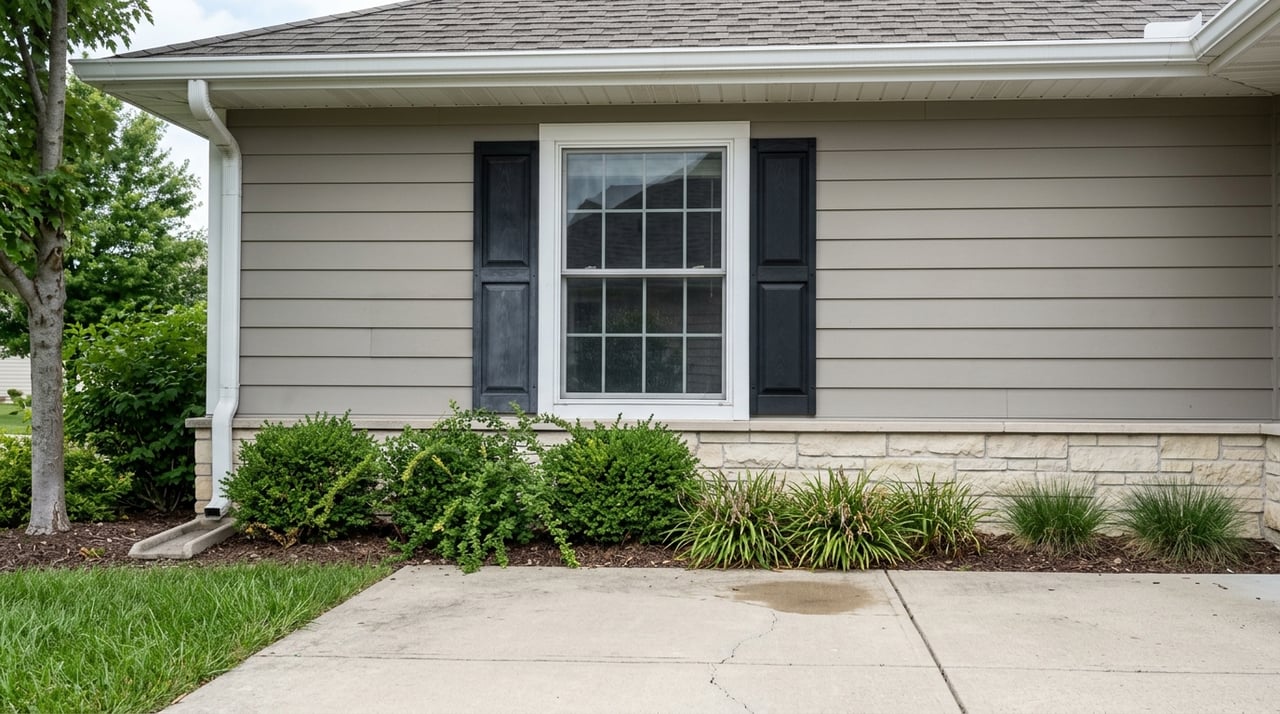
Visible condition matters more than many sellers realize. Appraisers are trained to note deferred maintenance, deterioration, needed repairs, and other physical issues that affect value or marketability.
The good news is that your home does not need to look brand new to appraise well. In plain terms, it needs to be clean, well-maintained, functional, and free from obvious repair problems.
Appraisers also evaluate the property’s market area, along with features like views and site characteristics. Comparable sales from the same neighborhood or market area are usually the strongest indicators when available.
Comparable sales, often called comps, are the backbone of the appraisal. The appraiser generally looks for homes with similar site characteristics, room count, finished area, style, and condition, and typically relies on at least three closed comparable sales.
This is one reason pricing strategy matters so much in Burlington. If your list price stretches too far beyond what nearby closed sales support, the appraisal may not follow the contract price.
Many sellers assume a big renovation is the best way to support value. In reality, practical updates and solid maintenance often do more to reduce appraisal risk than an expensive project that is out of step with nearby comparable homes.
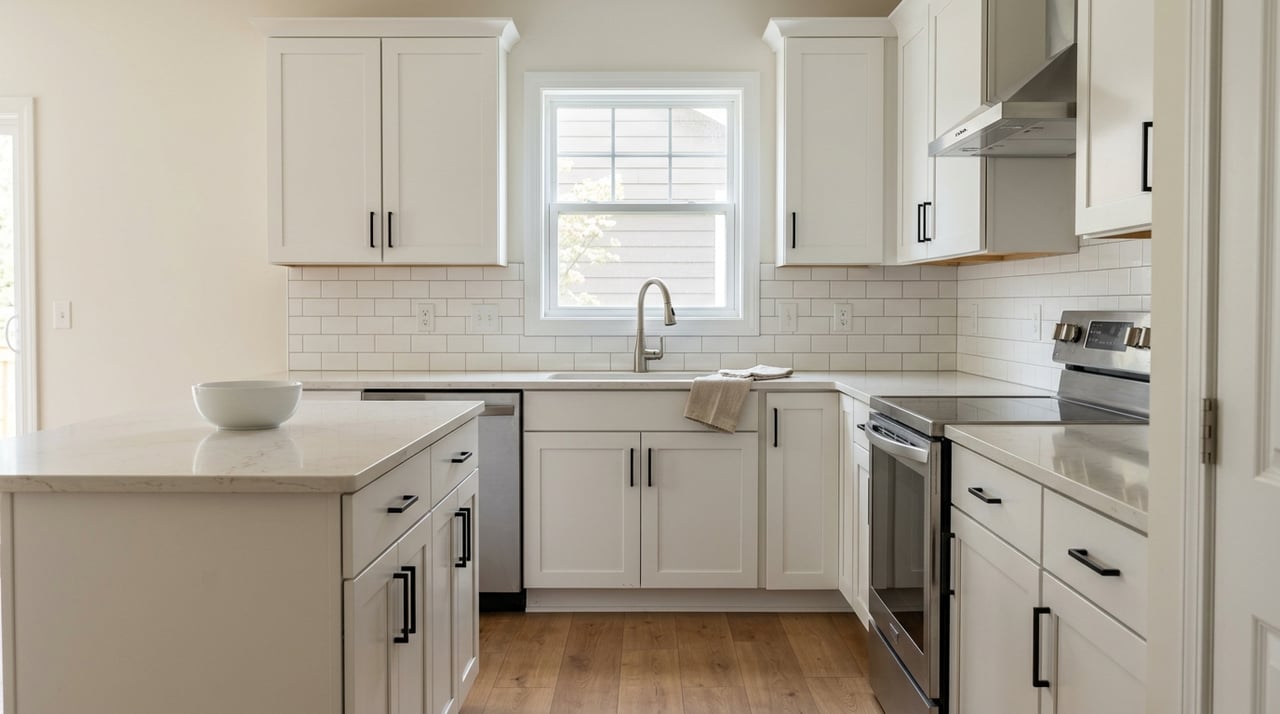
An updated area, in appraisal terms, can mean a limited improvement that brings the home more in line with current market expectations. Fresh paint, repaired fixtures, corrected maintenance items, and functional system fixes can all help present the property more favorably.
That lines up with what many Burlington sellers actually need. Before spending heavily, it makes sense to focus on repairs and improvements that improve condition, appearance, and usability in a way the local market is likely to recognize.
If the appraisal comes in at or above the contract price, the financing process usually keeps moving without a change to the buyer’s loan amount. That is the cleanest outcome for everyone involved.
For you as the seller, this usually means fewer surprises late in the transaction. The deal can continue toward closing on the timeline you expected, assuming no other issues come up.
A low appraisal can change the conversation fast. If the appraised value is below the contract price, the lender may not approve the full loan amount based on the agreed price.
At that point, a few things can happen:
In a balanced market like Burlington, this can be especially important. Since homes are often selling around asking price rather than far above it, buyers may be less willing or less able to bring extra cash to bridge a valuation gap.
Sometimes the issue is not just value. If the appraisal identifies major repair concerns, a lender may require those repairs to be completed before closing or may require funds to be held in escrow for the work after closing.
This tends to come up more often when there are visible problems, such as a roof issue or other significant condition concerns. For sellers, that is another reason to address obvious defects before listing whenever possible.
If you have six to twelve months before you plan to sell, your best return is often in the basics. Focus first on condition, maintenance, and visible repair issues that could raise concerns for a buyer, an inspector, or an appraiser.
Here is a practical prep list:
This kind of prep supports a stronger presentation without assuming every dollar spent will produce a dollar-for-dollar value increase. In many cases, clean execution on the basics is what helps protect your sale.
If a low appraisal comes in, your first move should be to stay calm and review the report carefully with your real estate professional. Not every low appraisal is wrong, but some reports do contain factual errors, omissions, or less persuasive comparable sales.
If the valuation appears inaccurate, the borrower can ask the lender for a reconsideration of value, often called an ROV. That request can point out factual mistakes, missed information, or comparable sales that may not have been fully considered.
One detail matters here. Communication about the appraisal should go through the lender, because the appraiser’s client is the lender, not the seller.
Appraisals sit at the intersection of pricing, property condition, and financing. That is why local market knowledge and practical repair judgment can make such a difference when you are preparing to sell in Burlington.
When you understand what buyers, lenders, and appraisers are likely to notice, you can make smarter decisions before the sign goes in the yard. That can mean fewer surprises, better negotiation leverage, and a smoother path to closing.
If you are thinking about selling and want practical guidance on pricing, condition, and next steps, schedule a free consultation with Joshua Whitley.
Partner with Alamance County Realty for expert guidance, innovative marketing, and proven results. From first showing to closing, we’re committed to making your real estate journey smooth, successful, and stress-free.