June 18, 2026
Wondering how to make your offer stand out on a Burlington home without overpaying or taking on more risk than you should? That is a real concern in a market where some homes move quickly, others sit longer, and the best strategy depends on the property in front of you. If you understand how Burlington pricing, neighborhood pace, and North Carolina contract terms work together, you can make a strong offer that is competitive and still smart. Let’s dive in.
Burlington is not a market where every home automatically needs an aggressive, all-out offer. Recent market data shows a more moderate pace overall, with homes receiving about three offers on average, selling in roughly 48 days, and a median sale-to-list ratio of 98.3%. At the same time, some data sources show homes going pending in around 16 days, which tells you that the right home can still move fast.
That mix matters when you are building an offer strategy. You need to be prepared, but you do not need to assume every listing requires an extreme bid far above asking price. A strong offer in Burlington is often more about precision, timing, and clean terms than pure price alone.
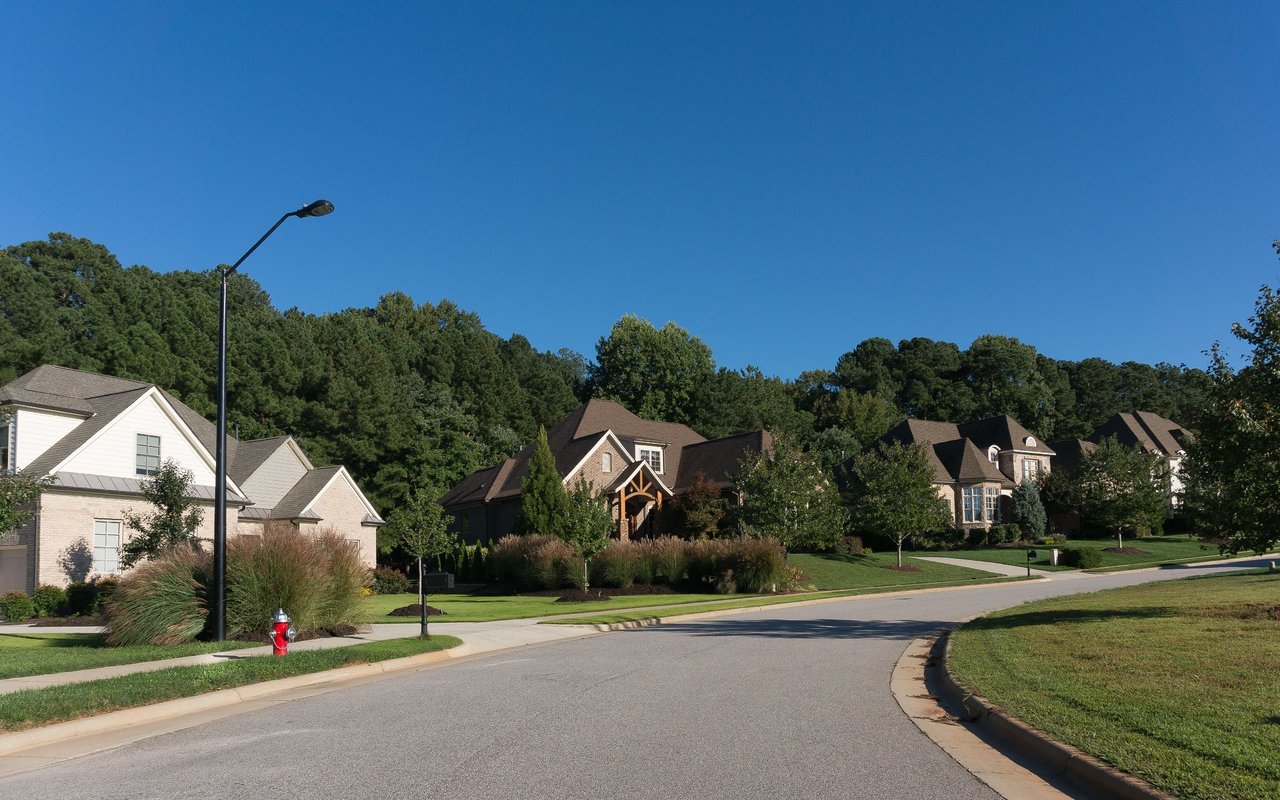
Citywide numbers are helpful, but Burlington acts like a group of smaller micro-markets. In North Burlington, available inventory and days on market suggest a more balanced pace, while Southwest Burlington has shown faster movement with fewer homes for sale. Central Burlington has also shown different timing trends than other parts of the city.
What does that mean for you? It means your offer should match the specific neighborhood and price range of the home you want. A strategy that works on a home in one part of Burlington may be too strong, too weak, or simply unnecessary in another.
Before you think about due diligence money or offer price, make sure your financing is solid. A real preapproval letter shows a seller that a lender has already reviewed your financial picture and that you are not just guessing at what you can afford. It also helps you move faster when the right home hits the market.
That matters because preapproval is often expected before a seller accepts an offer. It is also important to remember that preapproval is a tentative willingness to lend, not a final guarantee, and these letters often expire within 30 to 60 days. If you are actively shopping in Burlington, keeping that letter current can strengthen your position.
North Carolina contracts work differently than many buyers expect. In the standard residential contract, one of the most important terms is the due diligence period. This is the negotiated window of time when you investigate the property and the broader transaction.
During due diligence, you may review inspections, appraisal issues, title work, loan progress, and other important details. You can also terminate the contract for any reason or no reason before the due diligence period expires, as long as notice is given properly and on time. That flexibility can protect you, but it comes with costs you need to understand.
In North Carolina, the due diligence fee is a major part of offer strength. This fee is negotiable and is usually retained by the seller if you terminate during the due diligence period. Because of that, the amount you offer should be thoughtful, not random.
There is no standard due diligence amount for Burlington. The right number depends on the home, the local market conditions, the days on market, the length of the due diligence period, and the circumstances of both buyer and seller. In a faster-moving pocket of Burlington, a stronger due diligence fee may help your offer stand out. In a slower segment, you may not need to push as hard.
A stronger offer is not always the one with the highest number attached to it. In North Carolina, due diligence money should be an amount you can afford to lose if you decide to terminate during that period. That is why the smartest offers balance competitiveness with your actual comfort level.
The same goes for earnest money. While earnest money can help show seriousness, it also carries risk if the due diligence period expires and you cannot close. If that happens, the earnest money may be at risk, so every dollar you commit should be part of a clear plan.
One of the biggest mistakes buyers make is treating list price like a final answer. In Burlington, current data shows a gap between median list price and median sold price, which is a good reminder that asking price is only one data point. A strong offer should be tied to recent closed comparable sales, not just the number printed on the listing.
This matters even more in a city with neighborhood-level variation. A home priced to attract attention may need a quick, clean response. Another may be listed above where recent sales support value, which creates room for a more measured offer.
It can be tempting to shorten every deadline to make your offer look cleaner. But in North Carolina, a short due diligence period only helps if you can actually complete the work within that time. You need enough time to schedule inspections, review findings, check in with your lender, and decide whether to ask for repairs or other terms.
NC guidance makes this especially important. Inspections should be completed early enough to allow time for seller response before the due diligence period ends. If more time is needed, written extensions should be handled before the deadline, and if timing affects settlement, the closing date may need to be adjusted too.
Repairs are negotiable in North Carolina, but sellers are not required to agree to them. That means you should not assume that every issue found during inspection will lead to a credit, repair, or price reduction. The cleaner your communication and the earlier you raise concerns, the better your chances of reaching a workable agreement.
This is where a practical review of property condition becomes valuable. If you understand which issues are minor, which are more significant, and which affect your comfort with the home, you can negotiate from a more informed position instead of reacting emotionally under a deadline.
Price is only one way to strengthen an offer. In many cases, matching the seller’s preferred closing timeline can make your terms more attractive without increasing your purchase price. That can be especially useful in a market like Burlington, where not every home is drawing the same level of pressure.
If a seller wants a faster close and you are ready, that flexibility can help. If the seller needs more time, a buyer who can accommodate that schedule may stand out against a similar offer. The key is to make those terms clear in writing rather than relying on assumptions.
A competitive offer in Burlington often has several parts working together:
When these pieces are aligned, your offer can feel strong and credible without becoming reckless.
Because Burlington is not one uniform market, local context matters. The right strategy for a starter home in one neighborhood may be very different from the right strategy for a resale home or a property with repair needs in another part of town. Buyers often benefit from working with someone who can evaluate pricing, financing readiness, and property condition together.
That full-picture approach can help you avoid two common mistakes: overbidding out of fear or under-structuring an offer that never really had a chance. The strongest offer is usually the one that fits the house, the neighborhood, and your goals.
If you are getting ready to buy in Burlington, a careful offer strategy can save you money, reduce stress, and improve your odds of getting to the closing table. For practical local guidance on pricing, offer terms, and property condition, connect with Joshua Whitley.
Partner with Alamance County Realty for expert guidance, innovative marketing, and proven results. From first showing to closing, we’re committed to making your real estate journey smooth, successful, and stress-free.